


Commercial Storefront Systems: Glass Installation, Repair & Replacement
- Commercial projects
- Storefront & architectural glazing
- Tenant improvement glass
- Regional contractor coverage
- Emergency replacement
I have…
Pick what is going on at your building and go straight to the answers that fit.
Broken glass
Cracked panels, chips and impact damage
Glass that needs replacing
Old frames, fogged units, constant repairs
A building remodel
Modernizing a dated facade or entrance
A tenant improvement
New tenant, build-out or lease turnover
Door problems
Sagging, dragging, slamming or failing locks
A curtain wall project
Multi-story glass facades, leaks and retrofits
A security concern
Break-ins, smash-and-grab and safety glass
High energy bills
Drafts, hot spots and single-pane glass
An emergency right now
Broken storefront? Board-up and fast repair
Every stage of a commercial storefront, from repair to new installation
Most storefront decisions follow the same path: fix what is broken, decide whether repair still makes sense, upgrade what you keep, replace what has worn out, and install new when the building or tenant changes. Start at the stage you are in.
Repair
Fix what is broken. Broken glass, doors, frames, hardware, leaks and emergencies.
Repair vs Replace
Decide what makes sense. Damage, cost, building age, energy, safety and code.
Upgrade
Improve performance. Better glass, security, energy savings, access and appearance.
Replacement
Replace the whole system. Tear-out, full replacement, remodels and modernization.
Installation
Build something new. New construction, tenant build-outs and new storefronts.
See the precision behind a storefront glass installation
Setting a commercial storefront panel takes far more than lifting glass into a frame. This short film follows the final inch of an installation: hydraulic glazing equipment, vacuum lifters and the glaziers who handle final alignment.

Tell Us About Your Project
Every project we take on is part of one system: the commercial storefront. Framing, glass, doors, security and energy performance all work together, so each part is planned with the others in mind.
New storefront framing, glass and entrances for new construction, tenant build-outs and facade upgrades.
Broken glass, failed seals, leaks and worn door hardware fixed quickly so the business stays open and secure.
Aging, damaged or inefficient storefront glass and framing replaced with current, code-compliant systems.
Multi-story glass facades — unitized and stick-built systems, glass replacement and new openings.
The aluminum framing that holds storefronts and entrances together, from standard to thermally broken systems.
Aluminum and all-glass doors, automatic operators, panic hardware and access control prep.
Laminated, impact-resistant and security glazing that protects storefronts against break-ins and storms.
Insulated, low-e and solar-control glass that meets energy codes and lowers operating costs.
Storefront and interior glass for tenant build-outs, coordinated with the rest of the construction schedule.
Straight answers for property owners, managers and contractors
What commercial clients ask us first about storefront and commercial glass projects.
Why should I trust you with my storefront?
We work on commercial glass only. Every project gets a written, itemized scope, glass specified to the energy, safety-glazing and wind codes in your city, and photos of the opening before and after.
How fast can someone respond?
Call and talk to someone who handles commercial glass. Broken glass is handled first: the opening is made safe and secure with board-up or temporary glazing before permanent glass is ordered.
What types of projects do you handle?
Storefront glass and systems, entrances and doors, curtain wall, interior glass for tenant improvements, and security, impact and energy-efficient glass, from a single broken lite to a full new storefront.
What happens after I contact you?
We review your photos and sizes, measure on site, send a written scope, then schedule the work and keep the opening secure until the new glass is in. The four steps are below.
What areas do you cover?
Major commercial markets across the country, including New York, New Jersey, Florida, Texas, California, Arizona and the Pacific Northwest. See the full list below.
What makes this network different?
One point of contact for commercial glass in every market we cover, local knowledge of each city's codes and climate, and honest repair-versus-replace advice before you spend money.
What happens after you contact us
Tell us about the project
Call or send the project form with photos, rough sizes and the address. For broken glass, tell us whether the opening is secure.
Site measure and written scope
The opening is measured and you receive a written, itemized scope showing the glass, frame and hardware, and what each option costs.
Order, permit and secure
Glass and hardware are ordered to size, permits are filed where the city requires them, and the opening stays protected in the meantime.
Install and close out
The new glass or storefront is installed, doors are adjusted and sealed, and you receive photos of the finished work.
Where we work
Commercial storefront and glass services in major markets across the United States. Choose a state or market.
A Quality Perspective on Storefront Glass
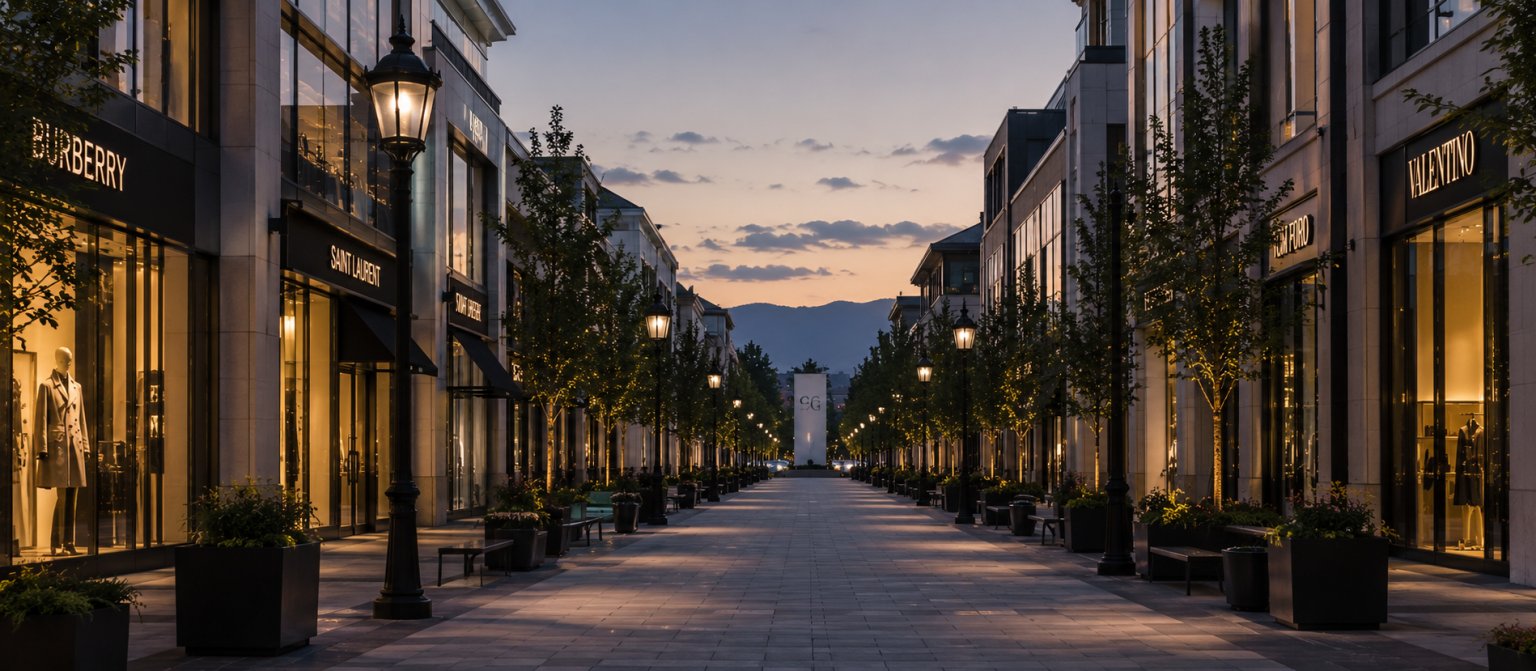
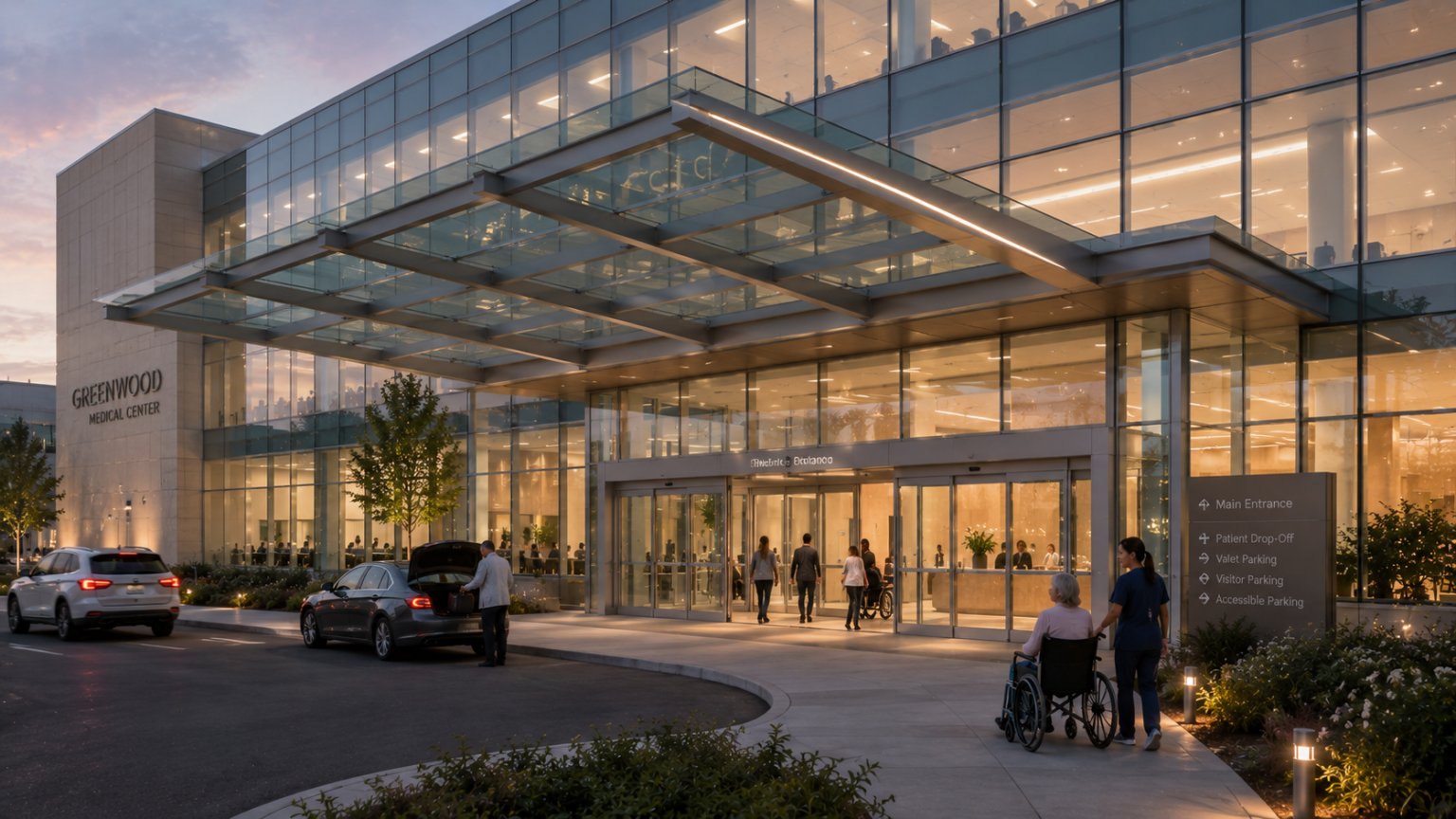
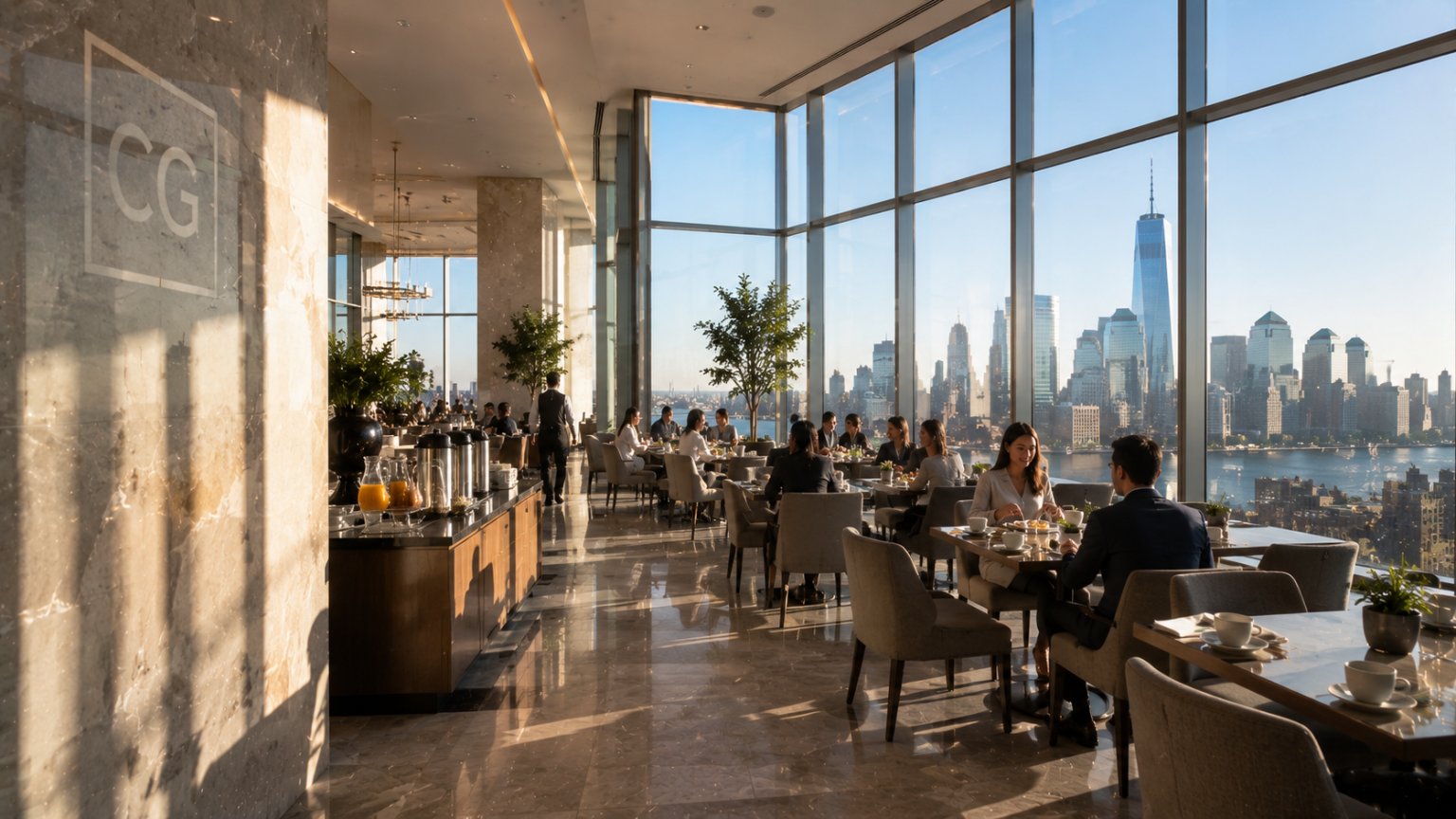
Commercial glass shapes how customers, tenants, employees, and visitors experience a property. Every retail center, office tower, healthcare facility, mixed-use development, restaurant district, and hospitality project relies on glass systems that balance appearance, durability, security, energy efficiency, and long-term performance.
Commercial Storefront Glass was developed to explore the world of commercial glass from a general contractor, facility manager, building owner & tenant perspectives.
Rather than focusing on a single city or a single type of project, this platform examines storefront systems, commercial building trends, major markets, environmental challenges, architectural styles, modernization strategies, and the factors that influence commercial glass performance across the United States.
Whether you are a property owner, developer, facility manager, architect, contractor, investor, or simply researching commercial glass systems, our goal is to provide clear, useful information that helps you better understand today’s commercial building environment.

Explore Commercial Storefront Glass
Modern commercial properties depend on storefront systems for far more than appearance.
Across America, commercial buildings face different environmental pressures, construction trends, and architectural demands. Those variables create unique challenges and opportunities for storefront systems in every market.
Our content explores how commercial glass performs under real-world conditions and examines the design choices that shape modern buildings.
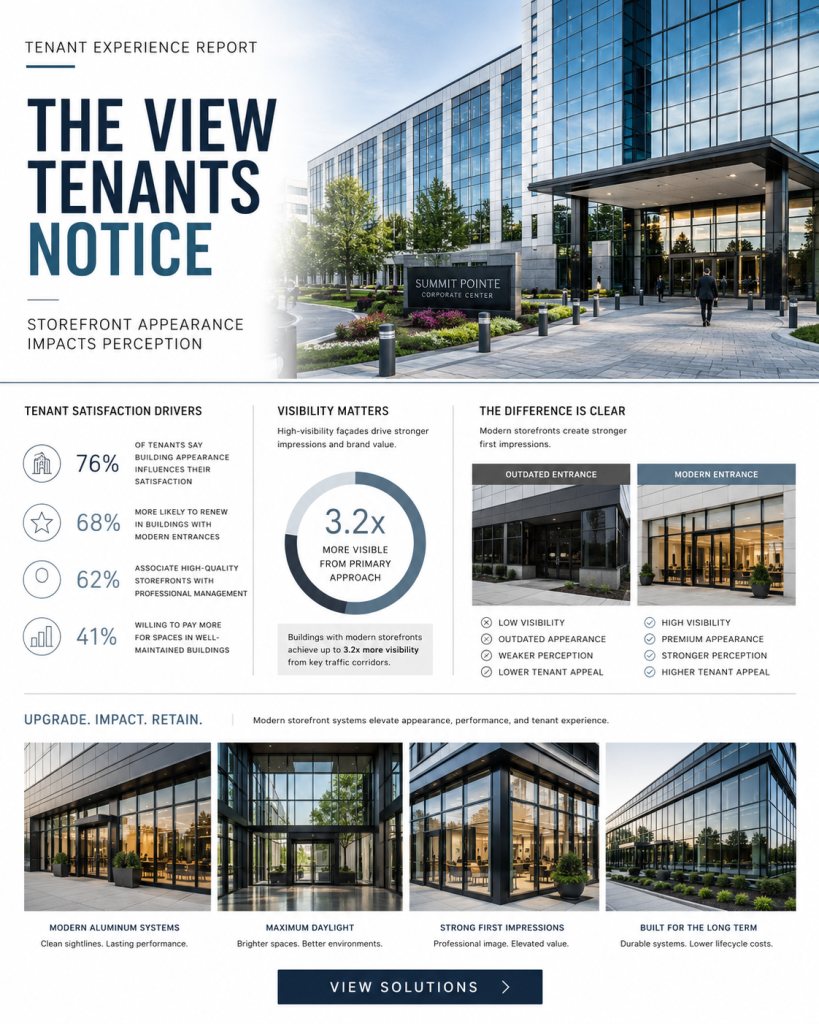
Commercial Glass Videos
A closer look at commercial storefront glass — how systems fail, how they are repaired, how they are installed, and how they have changed city by city and decade by decade.
Storefront Systems Resources
Guides, comparisons and market research that support every part of a commercial storefront system.
How to decide whether a storefront needs repair, full replacement or a new installation.
Glass types, framing and performance basics every commercial owner should know.
The technology and design trends shaping commercial storefront systems.
How hail, hurricanes, wind and temperature extremes affect storefront glass by market.
Why commercial storefront systems are built, rated and installed differently.
How storefront glass has changed from the 1980s to today.